Home Remedies for Cold: 12 Natural Ways to Feel Better Fast
In This Article
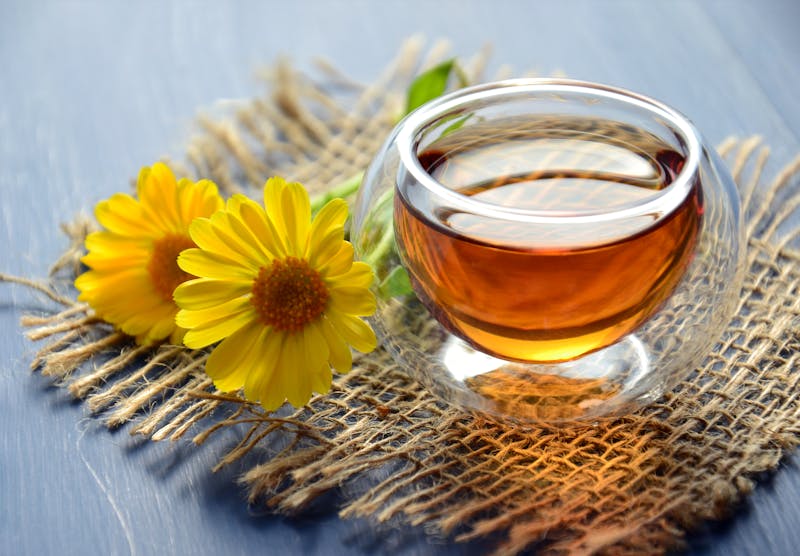
The common cold has no cure, but the right home remedies can significantly reduce symptom severity and help you recover faster. While most colds resolve within 7–10 days, these evidence-based natural treatments can make those days much more comfortable.
Below are 12 home remedies supported by clinical research, along with guidance on how to use each one effectively.
1. Honey and Warm Liquids
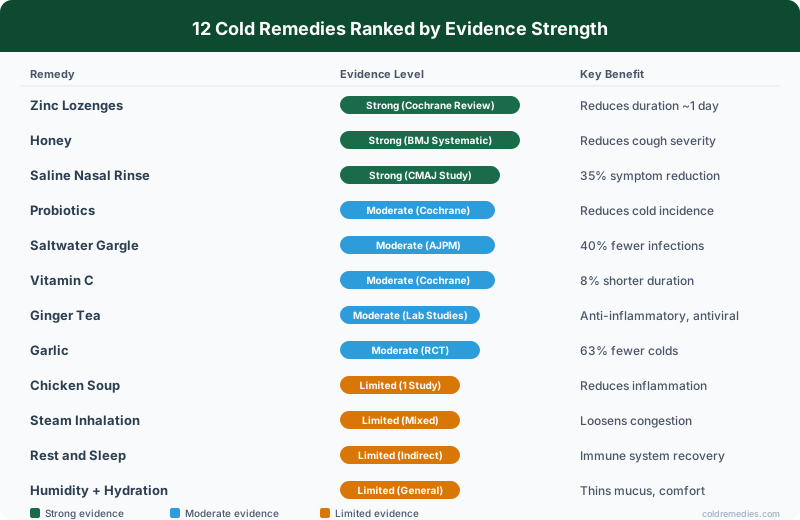
Honey is one of the most well-studied natural cold remedies. A 2020 systematic review published in BMJ Evidence-Based Medicine analyzed 14 studies and found that honey was superior to usual care for improving upper respiratory tract symptoms, particularly cough frequency and severity.
How to use it: Add 1–2 tablespoons of raw honey to warm water or herbal tea. Drink 2–3 times daily, especially before bed to reduce nighttime cough. Manuka honey may offer additional antibacterial benefits, though any raw honey works well.
2. Steam Inhalation
Breathing in warm, moist air helps loosen nasal congestion and soothe irritated airways. While steam does not kill the cold virus, it provides meaningful symptomatic relief by thinning mucus and reducing inflammation in nasal passages.
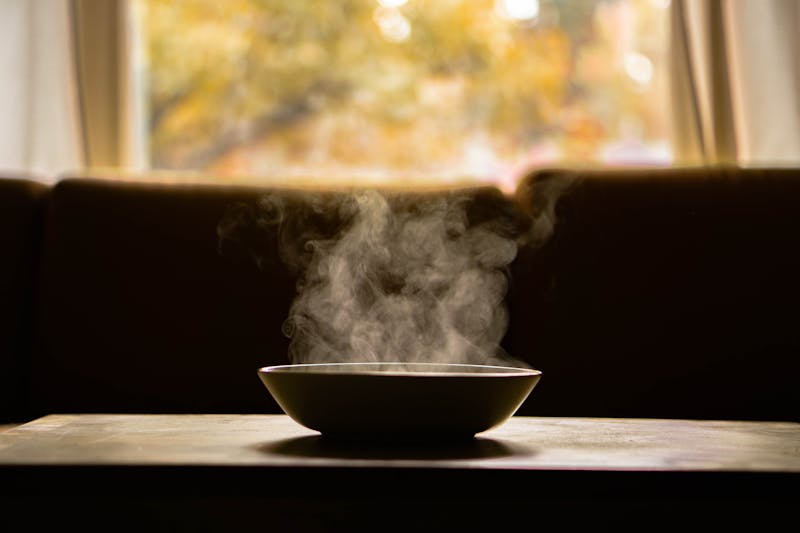
How to use it: Boil water, pour it into a large bowl, and drape a towel over your head while leaning over the bowl. Breathe deeply for 10–15 minutes. Adding a few drops of eucalyptus or peppermint essential oil may enhance the decongestant effect.
3. Saltwater Gargle
Gargling with warm saltwater is a time-tested remedy for sore throat. Research published in the American Journal of Preventive Medicine found that regular saltwater gargles during cold season reduced upper respiratory infections by 40% compared to controls.
How to use it: Dissolve ½ teaspoon of salt in 8 ounces of warm water. Gargle for 15–30 seconds, then spit. Repeat 3–4 times daily. This draws moisture out of swollen throat tissue and helps flush out viral particles.
4. Zinc Supplements
Zinc is arguably the most evidence-backed supplement for colds. A Cochrane Review of 18 trials found that zinc lozenges or syrup taken within 24 hours of symptom onset reduced cold duration by an average of one full day. Zinc appears to work by interfering with viral replication in the nasal passages.
How to use it: Take zinc lozenges (13–23 mg of zinc per lozenge) every 2–3 hours while awake, starting at the first sign of symptoms. Continue for up to two weeks. Avoid zinc nasal sprays, which have been linked to long-lasting loss of smell.
5. Vitamin C
Vitamin C's role in colds is nuanced. A large Cochrane meta-analysis found that regular vitamin C supplementation (200 mg or more daily) did not prevent colds in the general population but reduced cold duration by 8% in adults and 14% in children. For people under heavy physical stress (marathon runners, soldiers), regular supplementation halved cold incidence.
How to use it: Take 200–1,000 mg of vitamin C daily during cold season. Increase to 1,000–2,000 mg daily at the first sign of a cold. Food sources like oranges, bell peppers, kiwi, and broccoli are excellent alternatives to supplements.
6. Ginger Tea
Fresh ginger contains gingerols and shogaols — bioactive compounds with anti-inflammatory and antioxidant properties. Research in the Journal of Ethnopharmacology has shown that fresh ginger can inhibit human respiratory syncytial virus (RSV) and may help reduce airway inflammation. For more on ginger and other plant-based options, see our guide to herbal cold remedies.
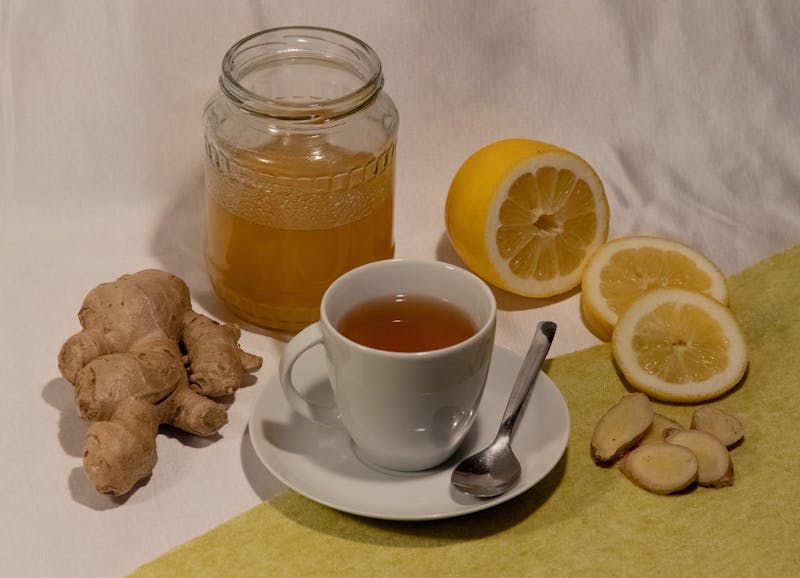
How to use it: Slice 1–2 inches of fresh ginger root and steep in boiling water for 10 minutes. Add honey and lemon for additional throat-soothing benefits. Drink 3–4 cups daily during a cold.
7. Chicken Soup
Your grandmother was right. A study published in the journal Chest found that chicken soup inhibited neutrophil migration — a key part of the inflammatory response that causes many cold symptoms. The warm liquid also helps with hydration and the steam provides nasal decongestion.

How to use it: Homemade chicken soup with vegetables like onion, garlic, carrots, and celery appears to be more effective than commercial varieties. The combination of protein, electrolytes, and anti-inflammatory compounds makes this one of the most complete cold remedies available.
8. Rest and Sleep
Sleep is when your immune system does its heaviest lifting. Research published in Sleep found that people who slept fewer than 6 hours per night were 4.2 times more likely to catch a cold than those who slept more than 7 hours. During illness, your body needs even more sleep to mount an effective immune response.
How to use it: Aim for 8–10 hours of sleep while sick. Elevate your head with an extra pillow to reduce nasal congestion. If you cannot sleep due to symptoms, treat the most disruptive symptom (cough, congestion) before bed.
9. Humidity and Hydration
Cold viruses thrive in dry air, and dehydration thickens mucus, making congestion worse. Increasing both air humidity and fluid intake helps your body fight infection more effectively.
How to use it: Use a cool-mist humidifier to keep room humidity between 40–60%. Drink at least 8–10 glasses of fluids daily — water, herbal tea, broth, and diluted juice all count. Avoid alcohol and excessive caffeine, which can dehydrate you.
10. Saline Nasal Rinse
Nasal irrigation with saline solution physically flushes mucus, allergens, and viral particles from nasal passages. A study in the Canadian Medical Association Journal found that saline irrigation reduced cold symptoms by 35% and decreased the need for over-the-counter medications.
How to use it: Use a neti pot or squeeze bottle with sterile saline solution (¼ teaspoon salt in 8 ounces of distilled or previously boiled water). Irrigate each nostril twice daily. Always use distilled or boiled-then-cooled water — never tap water — to prevent rare but serious infections.
11. Garlic
Garlic contains allicin, a sulfur compound released when garlic is crushed or chopped. Allicin has demonstrated antiviral and immune-boosting properties in laboratory studies. A 12-week randomized trial found that participants taking a daily garlic supplement had 63% fewer colds than those taking a placebo.
How to use it: Crush 1–2 fresh garlic cloves and let them sit for 10 minutes before eating (this activates the allicin). Add to soup, stir-fries, or mix with honey. Garlic supplements standardized for allicin content are an alternative for those who dislike raw garlic.
12. Probiotics
A growing body of research links gut health to immune function. A Cochrane Review of 12 randomized controlled trials found that probiotics — particularly Lactobacillus and Bifidobacterium strains — reduced the incidence of upper respiratory infections and shortened cold duration by about one day.
How to use it: Take a daily probiotic supplement containing at least 1 billion CFU, or eat probiotic-rich foods like yogurt, kefir, sauerkraut, and kimchi. For best results, maintain daily intake throughout cold season rather than starting only after you get sick.
When to See a Doctor
Most colds resolve on their own, but you should seek medical attention if you experience a fever above 103°F (39.4°C), symptoms lasting more than 10 days without improvement, difficulty breathing or shortness of breath, severe sinus pain, or symptoms that improve and then suddenly worsen (which may indicate a secondary bacterial infection). If your ears feel blocked, see our article on ear clogged from cold remedies. If you're unsure whether you have a cold or the flu, check our cold and flu home remedies guide.