Cold and Flu Home Remedies: A Complete Recovery Guide
In This Article

Colds and flu share many symptoms, which makes it difficult to know exactly what you are dealing with — and which remedies will help most. While both are upper respiratory infections caused by viruses, the flu tends to hit harder and faster, with more severe body aches and higher fevers. The right home remedies can meaningfully reduce symptom severity for both.
Cold vs. Flu: How to Tell the Difference
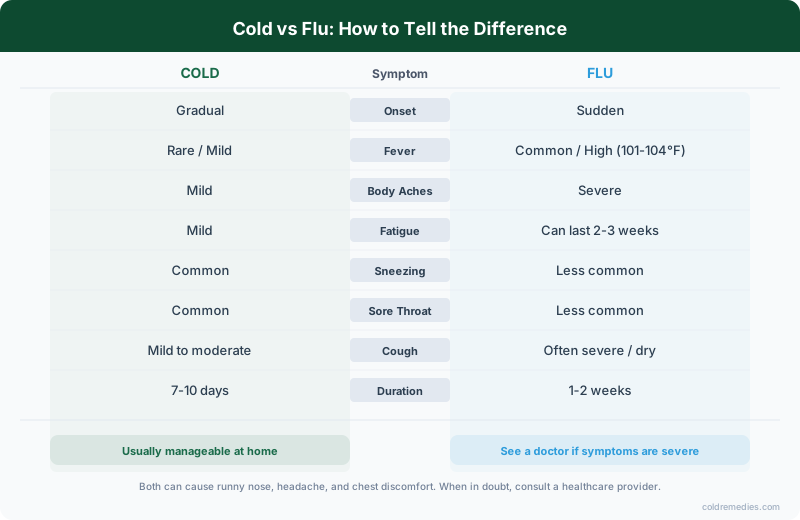
Before choosing remedies, it helps to understand what you are fighting. The common cold typically comes on gradually over one to three days, starting with a scratchy throat and progressing to nasal congestion and a mild cough. Fever is uncommon in adults with a cold.
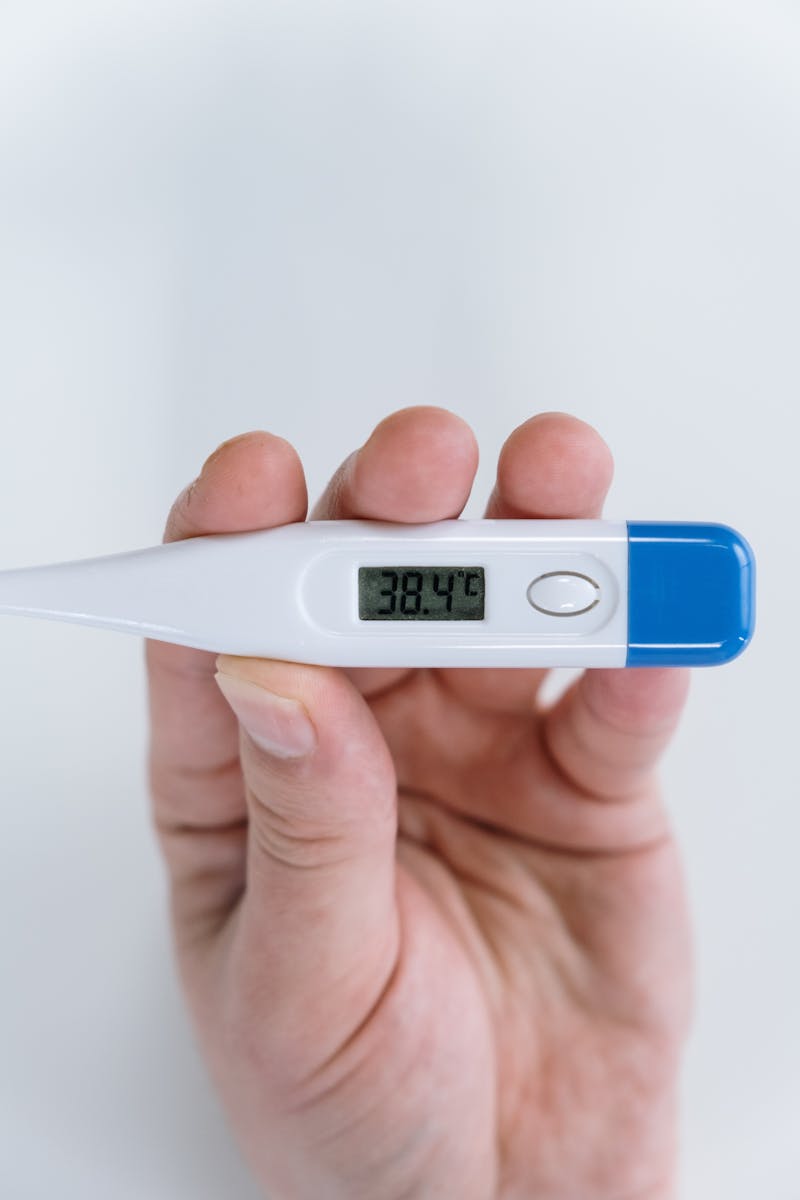
The flu, by contrast, tends to arrive suddenly. One hour you feel fine; a few hours later you are in bed with a high fever, intense body aches, chills, and exhaustion. Flu symptoms are generally more severe and last longer than cold symptoms. The flu also carries a higher risk of serious complications, particularly pneumonia.
Key differences to watch for: fever above 101°F suggests flu rather than a cold. Severe muscle and body aches are more characteristic of flu. A runny or stuffy nose is more common with colds. Extreme fatigue early on points toward flu.
Remedies That Work for Both Cold and Flu
For the full list of 12 evidence-based treatments, see our detailed guide to home remedies for cold.
Rest
This is the single most important remedy for both conditions. Your immune system requires enormous amounts of energy to fight viral infections. Research published in Sleep demonstrated that sleep deprivation dramatically reduces immune function — even one night of poor sleep can reduce natural killer cell activity by 70%. Aim for 9-10 hours of sleep while sick and avoid pushing through symptoms to work or exercise.
Warm Liquids
Hot tea, broth, and warm water with lemon and honey serve multiple purposes. They keep you hydrated, soothe irritated throat tissue, help loosen congestion, and the steam provides temporary nasal relief. A study in the journal Rhinology found that hot drinks provided immediate and sustained relief from symptoms of runny nose, cough, sneezing, sore throat, and chilliness.
Honey
Honey has demonstrated effectiveness against both cold and flu symptoms, particularly cough. The World Health Organization recommends honey as a first-line treatment for cough. A 2020 BMJ meta-analysis of 14 studies confirmed that honey outperforms usual care and diphenhydramine for cough reduction. Take 1-2 tablespoons straight or mixed into warm tea.
Steam Inhalation
Inhaling warm, moist air thins mucus and reduces congestion in both conditions. Lean over a bowl of hot water with a towel draped over your head for 10-15 minutes. Adding eucalyptus or peppermint essential oil can enhance the decongestant effect. A hot shower achieves a similar result.
Cold-Specific Remedies
Saline Nasal Rinse
Since nasal congestion is the hallmark cold symptom, saline irrigation is particularly effective. Using a neti pot or squeeze bottle with sterile saline solution physically flushes mucus and viral particles from the nasal passages. Research shows this reduces cold duration by approximately one day and decreases the need for decongestant medications. If congestion is your worst symptom, check our best head cold remedies.
Zinc Lozenges
Zinc is the most evidence-backed supplement for shortening colds specifically. When taken within 24 hours of symptom onset, zinc lozenges can reduce cold duration by a full day. Zinc interferes with viral replication in the nasal passages. Take lozenges containing 13-23 mg of zinc every two to three hours while awake.
Saltwater Gargle
For the sore throat that often accompanies colds, gargling with warm saltwater (half a teaspoon in eight ounces of warm water) draws moisture from swollen tissue and provides temporary pain relief. Repeat three to four times daily.
Flu-Specific Remedies
Fever Management
Unlike colds, the flu typically produces significant fever. While moderate fever actually helps your immune system fight infection, high fever (above 103°F) should be managed. Ibuprofen and acetaminophen are both effective. Alternating the two on a schedule (ibuprofen every six hours, acetaminophen every six hours, staggered by three hours) can provide more consistent fever control than either alone.
Elderberry
Elderberry shows stronger evidence against flu than against colds. A meta-analysis in Complementary Therapies in Medicine found that elderberry supplementation substantially reduced the duration and severity of flu symptoms. Take elderberry syrup (15 mL four times daily) starting at the first sign of flu symptoms. For a deeper look at plant-based treatments, see our guide to herbal cold remedies.
Electrolyte Replacement
The flu causes more fluid loss than a cold due to higher fever and sweating. Plain water is not enough — you need to replace electrolytes. Oral rehydration solutions, coconut water, or broth are better choices than sports drinks, which contain excessive sugar. Signs of dehydration include dark urine, dizziness when standing, and dry mouth.
Antiviral Medications
While this article focuses on home remedies, it is worth noting that prescription antivirals like oseltamivir (Tamiflu) can reduce flu duration by one to two days if started within 48 hours of symptom onset. For people at high risk of complications (those over 65, pregnant women, people with chronic conditions), contacting a doctor quickly for antiviral treatment is strongly recommended.
The Hydration Strategy
Both colds and flu cause fluid loss through increased mucus production, mouth breathing, fever, and reduced appetite. Dehydration thickens mucus and makes every symptom worse. Aim for at least 10-12 glasses of fluid daily while sick. The best fluids are warm water, herbal tea (especially ginger, peppermint, or chamomile), bone broth or chicken soup, and diluted fruit juice for vitamin C. Avoid alcohol entirely, limit caffeine (it is mildly dehydrating), and skip sugary sodas.
Supplements for Cold and Flu
Vitamin C
Regular supplementation modestly reduces cold duration (8% in adults), and the evidence is somewhat stronger during acute illness. Take 1,000-2,000 mg daily when sick. It is more effective as a preventive taken daily during cold season than as a treatment started after symptoms begin.
Vitamin D
A meta-analysis of 25 randomized controlled trials published in the BMJ found that vitamin D supplementation reduced the risk of acute respiratory infection by 12% overall, and by 70% in people who were severely vitamin D deficient. Most benefit comes from regular daily supplementation (1,000-2,000 IU) rather than large single doses.
Probiotics
Lactobacillus and Bifidobacterium strains have shown modest benefits in reducing both the incidence and duration of upper respiratory infections. Take a daily probiotic with at least one billion CFU, or eat probiotic-rich foods like yogurt and kefir.
Foods That Fight Cold and Flu
Certain foods provide both nutrition and therapeutic benefit during illness. Chicken soup inhibits neutrophil migration (reducing inflammation) while providing protein, electrolytes, and hydration. Garlic contains allicin, which has antiviral properties — crush fresh cloves and add to soup or broth. Ginger reduces nausea and inflammation — steep fresh slices in hot water. Citrus fruits provide vitamin C and hydration. Turmeric with black pepper delivers anti-inflammatory curcumin. Even if your appetite is poor, try to eat small amounts frequently rather than skipping meals entirely.
Sleep and Recovery
Sleep is when your body produces the most cytokines — proteins that direct immune cells to infection sites. Research consistently shows that people who sleep well recover faster from both colds and flu. Practical tips for sleeping while sick: elevate your head with an extra pillow to reduce nasal congestion, use a humidifier to keep air moist, take your most sedating remedy (like honey or an antihistamine) before bed, and keep the room cool (65-68°F is ideal for sleep).
Preventing the Next Cold or Flu
Once you recover, a few evidence-based habits can reduce your chances of getting sick again. Wash your hands frequently with soap and water for at least 20 seconds. Get an annual flu vaccine — it reduces flu risk by 40-60% in most years. Maintain adequate vitamin D levels, especially in winter. Sleep seven to nine hours per night consistently. Exercise moderately and regularly (150 minutes per week) — this has been shown to reduce upper respiratory infections by 40-50%. Manage stress, which suppresses immune function when chronic.
When to Seek Emergency Care
Most colds and flu resolve with home care, but certain warning signs require immediate medical attention. Seek emergency care for difficulty breathing or shortness of breath, persistent chest pain or pressure, confusion or altered mental status, severe or persistent vomiting, flu symptoms that improve then return with worse fever and cough (suggesting secondary bacterial infection), and any symptoms in infants under three months.