Ear Clogged from Cold: Causes, Remedies, and When to See a Doctor
In This Article
- Why Colds Cause Clogged Ears
- Eustachian Tube Dysfunction Explained
- How Long Does Ear Clogging from a Cold Last?
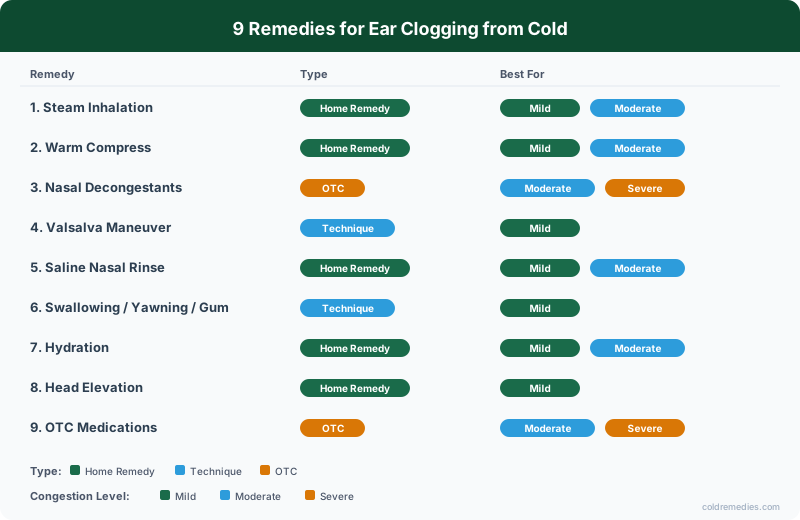
- Steam Inhalation
- Warm Compress
- Nasal Decongestants
- Valsalva Maneuver
- Saline Nasal Spray and Rinse
- Swallowing, Yawning, and Chewing Gum
- Hydration
- Head Elevation and Sleeping Position
- Over-the-Counter Medications
- What to Avoid
- Complications: Ear Infection from a Cold
- When to See a Doctor

A clogged or "full" feeling in your ears during a cold is one of the most frustrating symptoms people experience. It can muffle your hearing, cause a dull ache, produce popping or crackling sensations, and sometimes trigger tinnitus (ringing in the ears) or dizziness. The condition affects one or both ears and is caused by inflammation in the Eustachian tubes — the narrow channels that connect your middle ear to the back of your throat.
The good news is that clogged ears from a cold are almost always temporary and respond well to home remedies. Below you will find the causes, the most effective treatments, how long it typically lasts, and when you should see a doctor.
Why Colds Cause Clogged Ears
Your ears, nose, and throat are linked by the Eustachian tubes. These are two narrow passages that run from each middle ear to the back of the throat (nasopharynx). The tubes do two key jobs. First, they balance air pressure on both sides of the eardrum (tympanic membrane). Second, they drain mucus and fluid from the middle ear.
When you catch a cold — most often caused by rhinovirus — your body fights back with inflammation. The nasal passages and throat swell up. This swelling spreads to the Eustachian tubes too, partly or fully blocking them.
What happens when the tubes block
When the Eustachian tubes cannot open, the middle ear gets cut off from the outside. The middle ear lining slowly absorbs the trapped air. This creates negative pressure that pulls the eardrum inward. At the same time, fluid buildup occurs behind the eardrum because it has no way to drain. This mix of negative pressure and trapped fluid causes the clogged feeling, muffled hearing, and pain.
Eustachian Tube Dysfunction Explained
Eustachian tube dysfunction (ETD) is the medical name for when these tubes fail to open and close as they should. Colds are the most common cause. But ETD can also come from sinus infections (sinusitis), allergies, altitude changes (flying or mountain driving), or structural issues in the nose or throat.
Symptoms of ETD from a cold
Typical symptoms include a feeling of fullness or pressure in one or both ears, muffled or reduced hearing, popping or clicking sounds when swallowing or yawning, mild to moderate ear pain, tinnitus (ringing or buzzing), and occasionally dizziness or a sense of imbalance. These symptoms usually develop alongside or shortly after nasal congestion becomes significant.
How Long Does Ear Clogging from a Cold Last?
In most cases, clogged ears from a cold resolve within a few days to one week as the underlying cold improves. However, ear blockage can sometimes persist for 10 to 14 days, and in some cases up to several weeks if Eustachian tube inflammation is slow to resolve or if mucus drainage is sluggish.
The timeline varies depending on the severity of your cold, whether a secondary infection develops, and how effectively you manage congestion. Using the remedies below can significantly accelerate recovery. If your ears remain clogged for more than two weeks after other cold symptoms have resolved, see a healthcare provider — persistent blockage may indicate fluid behind the eardrum (serous otitis media) that needs professional evaluation.
1. Steam Inhalation
Steam is one of the most effective immediate remedies for cold-related ear congestion. The warm, moist air reduces inflammation in the nasal passages and Eustachian tubes, thins trapped mucus, and allows the tubes to open and equalize pressure. Steam therapy is also one of the best head cold remedies for sinus pressure.
How to use it
Boil water and pour it into a large bowl. Optionally add 3-5 drops of eucalyptus oil for an enhanced decongestant effect. Drape a towel over your head and the bowl, creating a steam tent, and breathe deeply through your nose for 10-15 minutes. Repeat 2-3 times daily. A hot shower with the bathroom door closed is a convenient alternative. For overnight relief, run a humidifier in your bedroom to keep air moist and prevent mucus from thickening while you sleep.
2. Warm Compress
Applying gentle warmth directly over the affected ear increases blood circulation, reduces pain, and can help the Eustachian tube relax and open. This is particularly helpful when ear clogging is accompanied by discomfort or a dull ache.
How to use it
Soak a clean washcloth in warm (not hot) water, wring it out thoroughly, and hold it against your ear for 5-10 minutes. A warm rice sock or heating pad on the lowest setting also works. Repeat as often as needed throughout the day. Some people find alternating warm compresses on the ear with brief cool compresses provides the most relief.
3. Nasal Decongestants
Oral or nasal decongestants shrink swollen blood vessels in the nasal passages and Eustachian tubes. For severe ear clogging from a cold, this is often the fastest and most effective short-term fix.
Oral decongestants
Pseudoephedrine (sold as Sudafed) is the most effective oral decongestant for Eustachian tube dysfunction. It reduces swelling systemically and can relieve both nasal and ear congestion for 4-6 hours per dose. Follow package dosing instructions carefully. Pseudoephedrine can raise blood pressure and is not suitable for everyone.

Nasal spray decongestants
Oxymetazoline (Afrin) provides faster, more targeted relief but carries an important limitation: use it for no more than 3 consecutive days. Longer use causes rebound congestion (rhinitis medicamentosa), where the nasal passages become more swollen than before once the medication wears off — making the problem worse rather than better.
4. Valsalva Maneuver
The Valsalva maneuver is a technique for manually equalizing pressure in your ears. It is the same method used by scuba divers and airplane passengers to "pop" their ears during pressure changes.
How to do it safely
Close your mouth, pinch your nostrils shut with your fingers, and gently blow as if trying to breathe out through your nose. You should feel a soft popping sensation as the Eustachian tubes open and pressure equalizes. Be gentle — blowing too hard can damage your eardrum or push infected material into the middle ear. If it does not work on the first attempt, wait a few minutes and try again. This technique works best when combined with a decongestant, which reduces the swelling that may be preventing the tubes from opening.
5. Saline Nasal Spray and Rinse
Saline solution moisturizes dry nasal tissue, thins mucus, and flushes out germs and debris. By easing nasal congestion, it helps the Eustachian tubes work better. This is one of the safest remedies — no side effects and no limits on how often you can use it.
How to use it
A store-bought saline nasal spray can be used several times daily for quick moisture and mild decongestion. For more thorough relief, use a neti pot or squeeze bottle to perform a full nasal rinse. Mix one quarter teaspoon of non-iodized salt and a pinch of baking soda in eight ounces of distilled or previously boiled-then-cooled water. Lean over a sink, tilt your head, and gently flush each nostril. Always use sterile water — never unprocessed tap water — to prevent rare but serious infections.
6. Swallowing, Yawning, and Chewing Gum
The Eustachian tubes open briefly every time you swallow, yawn, or move your jaw. Increasing the frequency of these actions throughout the day can help clear mild to moderate ear blockage without any medication.
How to use it
Chew gum, suck on hard candy, or sip water frequently. Deliberately yawning — even fake yawning — activates the muscles that open the Eustachian tubes. Moving your jaw from side to side or opening your mouth wide can also help. These simple actions provide surprising relief in mild cases and are especially useful as a complement to other remedies.
7. Hydration
Drinking plenty of fluids is vital when you have a cold affecting your ears. Dehydration thickens mucus throughout the respiratory system, including in the Eustachian tubes and middle ear space, making drainage more difficult and congestion worse.
What to drink
Aim for at least 10-12 glasses of fluid daily while sick. Water, herbal teas (especially ginger, peppermint, or chamomile), warm broth, and diluted fruit juice are all good options. Warm liquids are preferable because the steam provides additional nasal and Eustachian tube relief. Avoid alcohol, which is dehydrating, and limit excessive caffeine.
8. Head Elevation and Sleeping Position
Gravity plays a significant role in ear drainage. When you lie flat, mucus pools in the sinuses and Eustachian tubes, worsening congestion and the clogged sensation — which is why many people notice their ears feel most blocked at night or upon waking.
How to position yourself
Use an extra pillow or a foam wedge to elevate your head 15-30 degrees while sleeping. If only one ear is clogged, try sleeping on the opposite side so the affected ear faces upward, encouraging drainage. During the day, sitting upright or semi-reclined is better than lying flat.
9. Over-the-Counter Medications
Beyond decongestants, several other OTC medications can address the underlying causes and symptoms of cold-related ear clogging:
Pain relievers
Ibuprofen (Advil, Motrin) is particularly useful because it reduces both pain and inflammation, which can help the Eustachian tubes open. Acetaminophen (Tylenol) is an alternative for those who cannot take ibuprofen. Either can help manage ear pain and headache from pressure.
Mucolytics
Guaifenesin (sold as Mucinex) thins mucus throughout the respiratory system, making it easier for fluid to drain from the sinuses and Eustachian tubes. This is helpful when thick, stubborn mucus is contributing to persistent blockage.
Antihistamines
If allergies are contributing to your congestion alongside the cold, antihistamines like cetirizine (Zyrtec) or loratadine (Claritin) can help reduce overall swelling. However, antihistamines can sometimes thicken mucus, so they are best used when allergy is a contributing factor rather than as a first-line cold treatment.
What to Avoid
Certain common instincts can actually make clogged ears from a cold worse. Do not insert anything into your ear canal, including cotton swabs, ear candles, or your finger — the blockage is behind the eardrum where these cannot reach, and you risk injury. Do not use ear drops for cold-related ear pressure; the problem is in the middle ear and Eustachian tube, not the ear canal. Is it safe to use hydrogen peroxide? While hydrogen peroxide can help with earwax, it does nothing for cold-related Eustachian tube dysfunction and may irritate already-sensitive tissue.
Avoid flying if possible during a cold with clogged ears. Altitude changes put additional stress on already-compromised Eustachian tubes and can cause severe pain or barotrauma. If you must fly, use a decongestant spray 30 minutes before takeoff and landing, and perform the Valsalva maneuver during descent.
Complications: Ear Infection from a Cold
The most common complication of clogged ears from a cold is a middle ear infection (acute otitis media). When fluid becomes trapped behind the eardrum due to Eustachian tube blockage, bacteria can multiply in the warm, moist environment, leading to infection.
Signs of ear infection vs. simple congestion
Simple cold-related ear congestion causes mild to moderate pressure and muffled hearing that fluctuates. An ear infection typically produces sharp or throbbing ear pain that worsens, fever (above 100.4°F), fluid or pus draining from the ear, and sudden worsening after initial improvement. Children are more susceptible to ear infections from colds because their Eustachian tubes are shorter, more horizontal, and more easily blocked.
Serous otitis media
In some cases, sterile (non-infected) fluid persists behind the eardrum for weeks or even months after a cold — a condition called serous otitis media or middle ear effusion. This causes persistent muffled hearing and fullness without the pain or fever of an active infection. If it does not resolve on its own, an ENT specialist may recommend pressure equalization tubes (tiny tubes surgically placed through the eardrum to allow drainage) or a myringotomy (a small incision in the eardrum to release trapped fluid).
When to See a Doctor
Most clogged ears from a cold resolve within one to two weeks with home treatment. Contact a healthcare provider if your ear remains clogged for more than two weeks after other cold symptoms have resolved, you develop severe or worsening ear pain, you notice fluid or pus draining from your ear, you have a fever above 101°F alongside ear symptoms, you experience sudden or significant hearing loss, you develop dizziness or vertigo, or symptoms improve and then suddenly worsen (suggesting secondary bacterial infection).
An ENT specialist (otolaryngologist) can examine the eardrum directly, test for fluid behind it, and assess Eustachian tube function. For chronic or recurring ETD, treatments may include nasal corticosteroid sprays, Eustachian tube balloon dilation, or pressure equalization tubes. For a broader overview of cold treatments beyond ear symptoms, see our complete guide to home remedies for cold.