Best Head Cold Remedies: How to Clear Congestion Fast
In This Article

A head cold is a common cold where symptoms concentrate above the neck — sinus pressure, nasal congestion, headache, postnasal drip, and a feeling of heaviness in the face. While a head cold follows the same viral timeline as any cold (7-10 days), the intense congestion and pressure can make you feel significantly worse than a chest-dominant cold.
The good news is that head cold symptoms respond particularly well to targeted remedies. The strategies below focus on breaking up congestion and relieving sinus pressure.
What Is a Head Cold?
A head cold is not a separate illness — it is a common cold (typically caused by rhinovirus) where the primary symptoms occur in the nasal passages and sinuses rather than the chest. When cold viruses infect the nasal mucosa, the immune response causes blood vessels in the nasal lining to dilate, membranes to swell, and mucus production to dramatically increase.
The sinuses — four pairs of air-filled cavities behind the forehead, cheeks, nose, and eyes — connect to the nasal passages through narrow openings. When nasal swelling blocks these openings, mucus becomes trapped, creating the pressure and pain that defines a head cold. Understanding this mechanism helps explain why the most effective remedies focus on reducing swelling, thinning mucus, and promoting drainage.
1. Steam Therapy
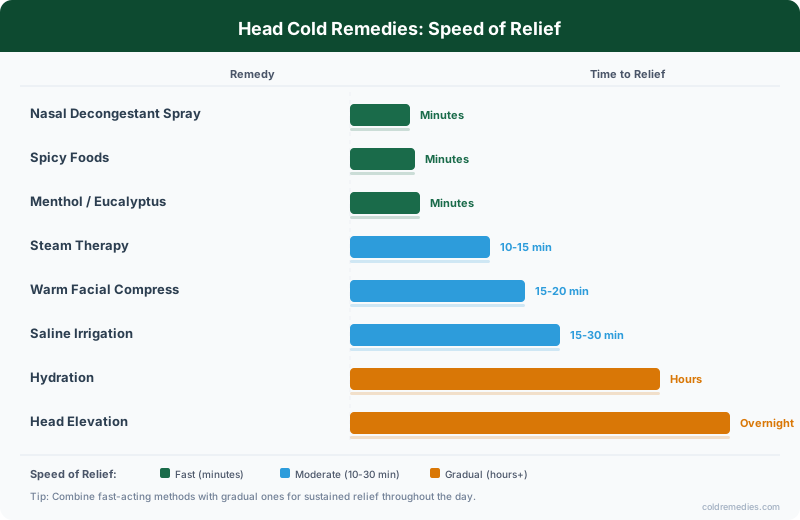
Steam is the fastest-acting natural remedy for head cold congestion. Warm, humid air reduces swelling in nasal membranes, thins trapped mucus, and allows the sinuses to drain. The relief can be nearly immediate, though temporary.
How to use it: For maximum effect, boil water and pour it into a large bowl. Add 3-5 drops of eucalyptus essential oil. Drape a towel over your head and the bowl, creating a steam tent, and breathe deeply through your nose for 10-15 minutes. Repeat 3-4 times daily during peak congestion. A hot shower with the bathroom door closed is a convenient alternative, though less concentrated.
For overnight relief, use a warm-mist humidifier in your bedroom. Keep room humidity between 40-60% — a hygrometer (under $10) helps you monitor this.
2. Saline Nasal Irrigation
Nasal irrigation mechanically flushes mucus, inflammatory particles, and viral debris from the nasal passages and sinus openings. A study in the Canadian Medical Association Journal found that regular nasal irrigation reduced cold symptoms by 35% and decreased dependency on decongestant medications. For head colds specifically, it is one of the most effective remedies available.
How to use it: Use a neti pot, squeeze bottle, or battery-powered nasal irrigator with isotonic saline solution — one quarter teaspoon of non-iodized salt and a pinch of baking soda in eight ounces of distilled or previously boiled water. Lean over a sink, tilt your head slightly, and gently flush each nostril. The solution should flow in one nostril and out the other. Perform twice daily during a head cold. For detailed instructions on saline rinses and other evidence-based treatments, see our guide to home remedies for cold.
3. Nasal Decongestants
When congestion is severe, decongestants can provide substantial relief by constricting swollen blood vessels in the nasal lining. They are particularly effective for head colds because the primary symptom is nasal and sinus swelling.
Oral decongestants like pseudoephedrine (Sudafed) work systemically and can reduce both nasal and sinus congestion for 4-6 hours. Nasal spray decongestants like oxymetazoline (Afrin) provide faster and more targeted relief but must be limited to three consecutive days to avoid rebound congestion (rhinitis medicamentosa), where the nasal passages become more congested than before once the medication wears off.
4. Warm Facial Compress
Applying warmth directly over the sinuses reduces pressure and pain by increasing blood flow and promoting mucus drainage. This is especially helpful for the facial pain and pressure that defines a head cold.
How to use it: Soak a washcloth in warm water, wring it out, and drape it over your nose and cheeks — covering the maxillary sinuses (below the eyes) and frontal sinuses (above the eyebrows). Leave in place for 5-10 minutes, re-warming the cloth as needed. For sinus headache, alternate warm compress on the face with a cool compress on the forehead.
5. Head Elevation
Gravity is a simple but effective tool for head cold relief. When you lie flat, mucus pools in the sinuses and nasal passages, worsening congestion. Elevating your head promotes drainage and reduces the feeling of pressure.
How to use it: Use an extra pillow or a foam wedge to elevate your head 15-30 degrees while sleeping. During the day, sitting upright or semi-reclined is better than lying flat. This is especially important at night, when many people find head cold symptoms are worst.
6. Spicy Foods
Capsaicin (in hot peppers) and allyl isothiocyanate (in horseradish and wasabi) both stimulate mucus secretion and promote nasal drainage. While the effect is temporary, it can provide welcome relief during peak congestion. Some research suggests that capsaicin nasal sprays can provide longer-lasting relief for non-allergic rhinitis.
How to use it: Add hot sauce, cayenne pepper, or fresh chili to chicken soup or broth. Eat a small amount of horseradish or wasabi. Spicy foods work best when combined with warm liquids for a combined decongestant effect. Start mild if you are not accustomed to spicy food — you do not need extreme heat to get the benefit.
7. Menthol and Eucalyptus
Menthol (from peppermint) and eucalyptol (from eucalyptus) create a cooling sensation that makes breathing feel easier. Interestingly, studies show that menthol does not actually increase measurable nasal airflow — it works by activating cold-sensing nerve receptors in the nose, creating the perception of improved breathing. Despite this, the subjective relief is real and meaningful.

How to use it: Apply a mentholated chest rub (like Vicks VapoRub) to the chest and throat before bed — a clinical trial found this improved sleep quality and symptom severity in children with colds. Peppermint tea provides menthol internally. Eucalyptus oil in a diffuser or steam inhalation delivers the aromatherapy route. Peppermint is one of several herbal cold remedies with research backing.
8. Aggressive Hydration
Dehydration thickens mucus, making congestion worse and harder to clear. During a head cold, you need more fluids than usual because mucus production alone can account for significant fluid loss, mouth breathing (when your nose is blocked) increases water loss, and fever (even low-grade) increases fluid requirements.
How to use it: Aim for 12 or more glasses of fluid daily during a head cold. Warm liquids are preferable because the steam provides additional nasal relief. Bone broth, herbal tea, and warm water with lemon are ideal. Monitor your urine color — pale yellow indicates adequate hydration, while dark yellow means you need more fluid.
9. Sinus Pressure Massage
Targeted facial massage can promote sinus drainage and temporarily relieve pressure. The technique works by stimulating lymphatic drainage and physically encouraging mucus to move through the sinus openings.
How to use it: Using your index fingers, apply firm but gentle circular pressure to these points for 30 seconds each: the bridge of the nose (between the eyes), the sides of the nose (where it meets the cheeks), below the cheekbones (press upward), and the center of the forehead. Repeat the sequence three times. Combine with steam inhalation for enhanced effect.
10. OTC Medication Combinations
For severe head colds, combining targeted OTC medications with home remedies provides the most comprehensive relief. A rational approach uses a decongestant (pseudoephedrine) for nasal and sinus swelling, a pain reliever (ibuprofen) for sinus headache and facial pain, and guaifenesin (Mucinex) to thin mucus and promote drainage.
Avoid combination cold products that include ingredients you do not need — they increase side effects without additional benefit. Instead, buy each medication separately so you can tailor your treatment to your specific symptoms.
Head Cold vs. Sinus Infection
It is important to distinguish a head cold from a bacterial sinus infection (acute sinusitis), which may require antibiotics. A head cold typically improves gradually after days 3-5. A sinus infection should be suspected if symptoms worsen after initial improvement, if you have severe facial pain or swelling, if symptoms persist beyond 10 days without improvement, if you develop a fever above 102°F, or if nasal discharge becomes thick and dark green or yellow.
If you suspect a sinus infection, see a healthcare provider. Antibiotics are not helpful for viral head colds but may be necessary for bacterial sinusitis. If your cold has also caused ear pressure or muffled hearing, see our article on ear clogged from cold remedies.