Herbal Cold Remedies: What the Research Actually Says
In This Article
Herbal remedies for colds have been used across cultures for thousands of years, but modern research has only recently begun to separate what works from what does not. The evidence is stronger for some herbs than others, and quality matters significantly.
This guide covers the most commonly used herbal cold remedies, what clinical trials actually show, and how to use them safely. For non-herbal approaches including zinc, honey, and chicken soup, see our guide to home remedies for cold.
1. Elderberry (Sambucus nigra)
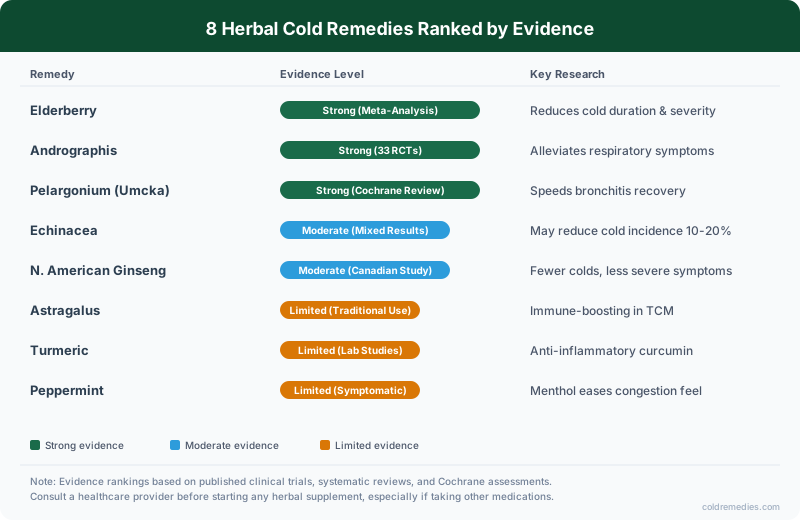
Elderberry is one of the most promising herbal cold and flu remedies. A 2019 meta-analysis published in Complementary Therapies in Medicine analyzed four randomized controlled trials and found that elderberry supplementation substantially reduced upper respiratory symptoms. The effect was stronger for flu than for colds, but both showed meaningful improvement.
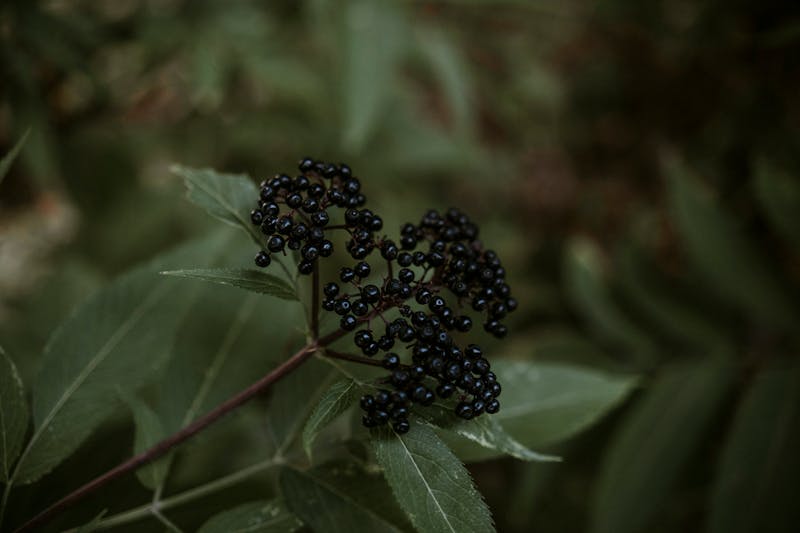
Elderberry appears to work through multiple mechanisms: it contains anthocyanins (potent antioxidants), it has been shown to inhibit viral replication in laboratory studies, and it may modulate inflammatory cytokine production. Elderberry may be particularly effective for flu symptoms — learn more in our cold and flu home remedies guide.
How to use it: Elderberry syrup (15 mL for adults, 4 times daily) is the most common form. Lozenges and capsules are also available. Start at the first sign of symptoms for best results. Choose products made from Sambucus nigra specifically.
2. Echinacea
Echinacea is the best-selling herbal cold remedy in North America, but the research is more mixed than most people realize. A Cochrane Review of 24 controlled trials concluded that some echinacea preparations may modestly reduce cold duration and severity, but the evidence is not consistent across studies.
Part of the inconsistency comes from the fact that different species (E. purpurea, E. angustifolia, E. pallida) and different plant parts (root, aerial parts, whole plant) have different chemical profiles. Products made from the aerial parts of E. purpurea have the strongest evidence.
How to use it: Look for standardized extracts of E. purpurea aerial parts. Take at the first sign of cold symptoms and continue for 7–10 days. Echinacea appears more effective for prevention and early treatment than for established colds.
3. Andrographis (Andrographis paniculata)
Sometimes called "Indian echinacea," andrographis is widely used in Ayurvedic and traditional Chinese medicine. A systematic review of 33 randomized trials found that andrographis, particularly a standardized extract called Kan Jang, significantly reduced the severity of cold symptoms including cough, nasal discharge, headache, and sore throat.
The active compound, andrographolide, has demonstrated anti-inflammatory and antiviral properties in laboratory studies. This is one of the more under-recognized herbal remedies in Western markets despite having robust clinical evidence.
How to use it: Standardized extracts providing 60 mg of andrographolide daily are most commonly studied. Begin treatment within 72 hours of symptom onset. Continue for 3–5 days.
4. Pelargonium sidoides (Umcka)
Pelargonium sidoides is a South African geranium species with a strong evidence base for acute bronchitis and upper respiratory infections. A Cochrane Review concluded that P. sidoides extract may be effective for alleviating symptoms of acute rhinosinusitis and the common cold in adults.
How to use it: Standardized extract (EPs 7630, sold as Umcka ColdCare in the US) is the most studied form. Follow dosage directions on the product label. It is available as liquid, tablets, and chewables.
5. Astragalus (Astragalus membranaceus)
Astragalus is a foundational herb in traditional Chinese medicine, used primarily as an immune tonic. Research suggests it may work better as a preventive measure than as a treatment for active colds. A review in the American Journal of Chinese Medicine found that astragalus polysaccharides enhance immune function by stimulating macrophage activity and increasing T-cell counts.
How to use it: Astragalus is typically taken as a daily supplement during cold season for prevention rather than acute treatment. Standardized root extract capsules (500–1,000 mg daily) or astragalus root tea are common forms. It is traditionally contraindicated during active fever.
6. North American Ginseng (Panax quinquefolius)
A proprietary extract of North American ginseng called CVT-E002 (sold as Cold-fX) has been studied in multiple clinical trials. Research published in the Canadian Medical Association Journal found that regular supplementation during flu season reduced the incidence and severity of colds and flu in adults over 65.
How to use it: The studied dose is 200 mg of CVT-E002 twice daily, taken throughout cold and flu season. Results appear to improve with consistent, long-term use rather than acute treatment.
7. Turmeric (Curcuma longa)
Turmeric's active compound, curcumin, is a potent anti-inflammatory agent. While there is limited direct research on turmeric for colds specifically, its anti-inflammatory properties may help manage symptoms like sore throat and nasal inflammation. Curcumin has demonstrated antiviral activity against several respiratory viruses in laboratory studies.
How to use it: Turmeric golden milk — warm milk with turmeric, black pepper (which increases curcumin absorption by 2,000%), and honey — is a popular cold remedy. Curcumin supplements (500–1,000 mg daily with piperine) are an alternative.
8. Peppermint (Mentha piperita)
Peppermint contains menthol, which creates a cooling sensation that makes breathing feel easier during congestion. While menthol does not actually open nasal passages (studies show it does not change measurable airflow), it effectively reduces the subjective feeling of congestion, providing comfort during a cold.
How to use it: Peppermint tea, menthol chest rubs, and peppermint essential oil in steam inhalation are all effective delivery methods. For steam inhalation, add 3–5 drops of peppermint essential oil to a bowl of hot water. Menthol is also a key ingredient in our recommended head cold remedies for nasal congestion.
Safety Considerations
Herbal remedies are not without risks. Several important safety points to keep in mind: herbal products can interact with prescription medications — check with your pharmacist before combining them. Quality varies enormously between brands, so look for products with third-party testing (USP, NSF, or ConsumerLab verification). Pregnant or breastfeeding women should avoid most herbal supplements unless specifically approved by their healthcare provider. People with autoimmune conditions should use immune-stimulating herbs (echinacea, astragalus, elderberry) with caution, as they may theoretically worsen autoimmune symptoms.