Home Remedies for Cold Sores: Fast Relief and Prevention
In This Article
Cold sores — also called fever blisters — are small, painful blisters that typically appear on or around the lips. They are caused by the herpes simplex virus type 1 (HSV-1), which infects an estimated 67% of the global population under age 50 according to the World Health Organization. Once infected, the virus remains dormant in nerve cells and can reactivate periodically, causing outbreaks.
While cold sores typically heal on their own within 7-10 days, home remedies can speed healing, reduce pain, and in some cases prevent outbreaks from occurring.
Cold sores (caused by HSV-1) are different from the common cold — for treatments targeting cold symptoms like congestion and sore throat, see our home remedies for cold.
What Causes Cold Sores
HSV-1 spreads through direct contact — kissing, sharing utensils, or touching an active cold sore. After the initial infection, the virus travels to nerve ganglia near the base of the skull, where it remains dormant between outbreaks. Triggers that can reactivate the virus include stress (emotional or physical), sun exposure (especially UV light on the lips), fatigue and poor sleep, illness or weakened immunity, hormonal changes (menstruation), and cold weather or dry air.
Understanding your personal triggers is the first step toward prevention. Many people notice that the same trigger causes outbreaks repeatedly.
The 5 Stages of a Cold Sore
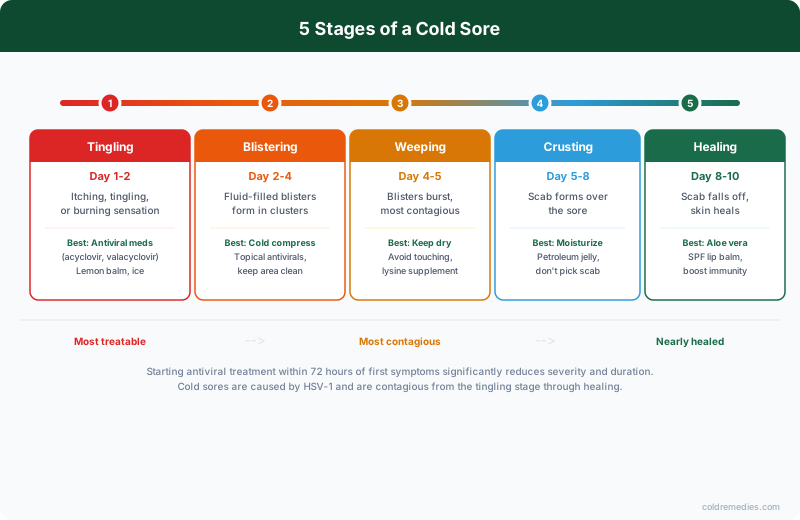
Cold sores progress through predictable stages, and timing your remedies matters. Stage 1 is the tingling or prodrome phase (day 1) — you feel itching, burning, or tingling where the sore will appear. This is when treatment is most effective. Stage 2 is the blister phase (days 2-3) — small fluid-filled blisters form. Stage 3 is the weeping or ulcer phase (day 4) — blisters break open and form a shallow ulcer. This is the most contagious stage. Stage 4 is the crusting phase (days 5-8) — a scab forms over the sore. Stage 5 is the healing phase (days 8-10) — the scab falls off and the skin heals, usually without scarring.
1. Ice and Cold Compress
Applying ice or a cold compress at the very first sign of tingling can reduce inflammation and may slow viral replication in the affected area. Cold constricts blood vessels, reducing swelling and numbing pain.
How to use it: Wrap an ice cube in a thin cloth and hold it against the affected area for 5-10 minutes. Repeat every hour during the tingling stage. Never apply ice directly to skin. This is most effective in the first 24 hours.
2. Lysine
L-lysine is an essential amino acid that competes with arginine — an amino acid that HSV needs to replicate. Several clinical studies have shown that lysine supplementation can reduce the frequency of cold sore outbreaks and may accelerate healing time. A randomized trial published in Dermatologica found that participants taking 1,000 mg of lysine daily had significantly fewer outbreaks.
How to use it: For prevention, take 500-1,000 mg of L-lysine daily. During an active outbreak, increase to 3,000 mg daily (divided into three doses) until the sore heals. Foods high in lysine include fish, chicken, beef, dairy, and legumes. Reduce arginine-rich foods (nuts, chocolate, seeds) during outbreaks.
3. Lemon Balm (Melissa officinalis)
Lemon balm is one of the most well-studied herbal remedies for cold sores. Research published in Phytomedicine demonstrated that a concentrated lemon balm extract significantly reduced healing time and prevented the spread of infection. The herb contains rosmarinic acid and other polyphenols that appear to interfere with viral attachment to host cells.
How to use it: Apply a cream or lip balm containing at least 1% lemon balm extract to the affected area 2-4 times daily, starting at the first sign of tingling. Lemon balm tea applied as a compress is an alternative if you do not have a commercial preparation. For more on plant-based treatments, see our guide to herbal cold remedies.
4. Aloe Vera
Aloe vera gel has antiviral, anti-inflammatory, and wound-healing properties that make it useful for cold sores. A study in the Journal of Dentistry found that aloe vera gel was effective against HSV-1 in laboratory settings, and its soothing properties help with pain during the blister and ulcer stages.
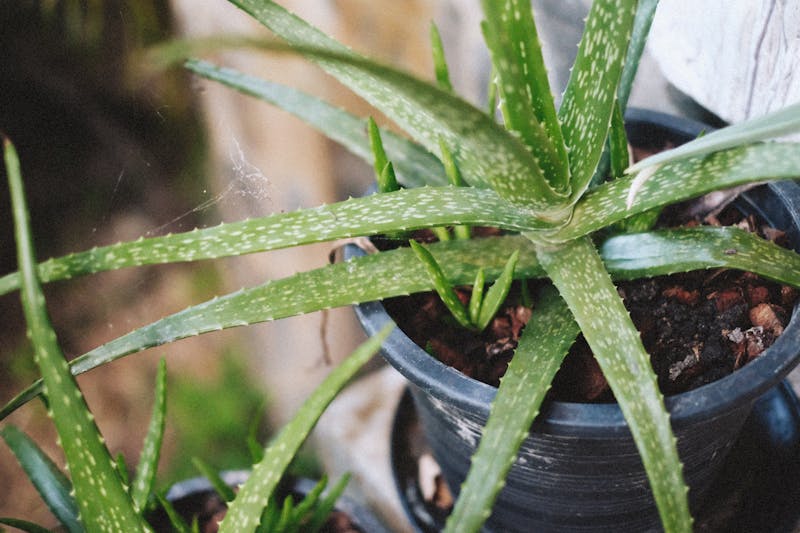
How to use it: Apply pure aloe vera gel (from a leaf or a product with minimal additives) directly to the cold sore 3-4 times daily. It is most helpful during stages 3-5 when the sore is open and healing.
5. Tea Tree Oil
Tea tree oil (Melaleuca alternifolia) has demonstrated antiviral activity against HSV-1 and HSV-2 in laboratory studies. Its mechanism appears to involve disrupting the viral envelope, preventing the virus from entering cells. However, clinical trial data in humans is limited.
How to use it: Always dilute tea tree oil before applying to the skin — mix one drop of tea tree oil with 10 drops of carrier oil (coconut oil or jojoba oil). Apply to the cold sore with a clean cotton swab 2-3 times daily. Discontinue if you experience irritation, as some people are sensitive to tea tree oil.
6. Zinc (Topical)
Topical zinc has shown promise for cold sores in several studies. A study published in Medical Journal of Australia found that zinc oxide cream applied within 24 hours of symptom onset reduced both the duration and severity of cold sores. Zinc appears to have direct antiviral effects against HSV and also supports local immune function.
How to use it: Apply zinc oxide cream or zinc sulfate solution to the cold sore at the first sign of tingling. Reapply every 2-3 hours during waking hours. This is different from oral zinc supplements — topical application targets the virus at the site of infection.
7. Propolis
Propolis, a resinous substance produced by bees, has demonstrated antiviral activity against HSV in multiple studies. A randomized clinical trial published in Phytomedicine compared propolis ointment to acyclovir cream and placebo, finding that propolis healed cold sores faster than both alternatives.
How to use it: Apply propolis ointment (3% or higher concentration) to the cold sore 3-4 times daily. Start at the tingling stage for best results. Propolis is available as a lip balm, ointment, or tincture. People with bee allergies should avoid propolis.
8. Kanuka Honey
A large randomized controlled trial published in BMJ Open tested medical-grade kanuka honey against acyclovir cream for cold sores. The study found that kanuka honey was as effective as the antiviral prescription cream for healing time. Honey's antiviral and wound-healing properties make it a surprisingly effective option.
How to use it: Apply medical-grade kanuka honey (or manuka honey as an alternative) directly to the cold sore 4-5 times daily. Cover with a small bandage if needed. Regular raw honey may also help, though the evidence is specifically for kanuka and manuka varieties.
Preventing Future Outbreaks
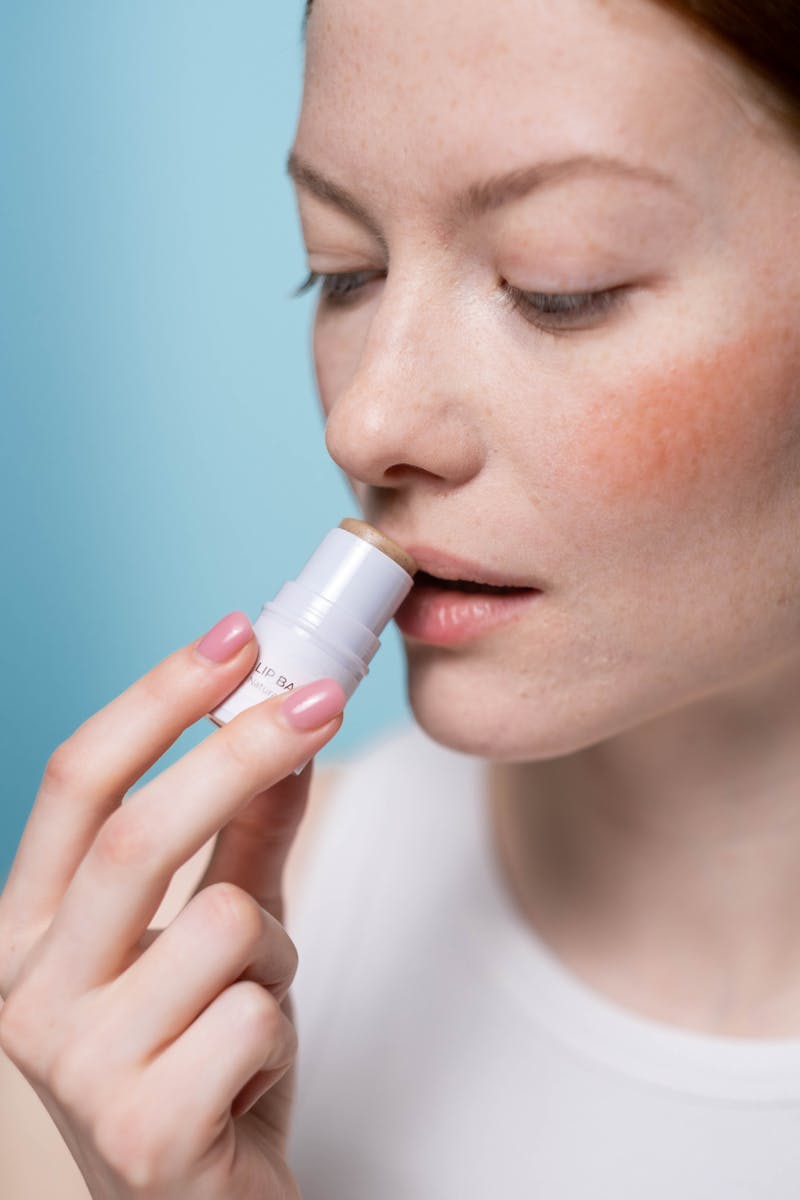
For people who experience frequent cold sores, prevention is more valuable than treatment. Several strategies can reduce outbreak frequency. Wear SPF 30+ lip balm whenever you are in the sun — UV exposure is one of the most common triggers. Manage stress through regular exercise, meditation, or other stress-reduction techniques. Maintain a consistent sleep schedule of seven to nine hours. Take daily lysine supplements (500-1,000 mg) during periods when you are prone to outbreaks. Avoid touching your face, especially around the lips. Do not share utensils, lip balm, or towels during an active outbreak.
Some people find that tracking their outbreaks alongside potential triggers helps them identify patterns. Keeping a simple log of when outbreaks occur and what preceded them (stress, sun exposure, illness, hormonal changes) can reveal your personal trigger profile.
OTC and Prescription Options
For severe or frequent outbreaks, home remedies can be combined with conventional treatments. Docosanol (Abreva) is the only FDA-approved OTC antiviral for cold sores and works best when applied at the tingling stage. Prescription antiviral medications such as acyclovir (Zovirax), valacyclovir (Valtrex), and famciclovir (Famvir) can significantly reduce outbreak duration and are available as both topical and oral medications. For people with more than six outbreaks per year, daily suppressive antiviral therapy may be recommended by a healthcare provider.